
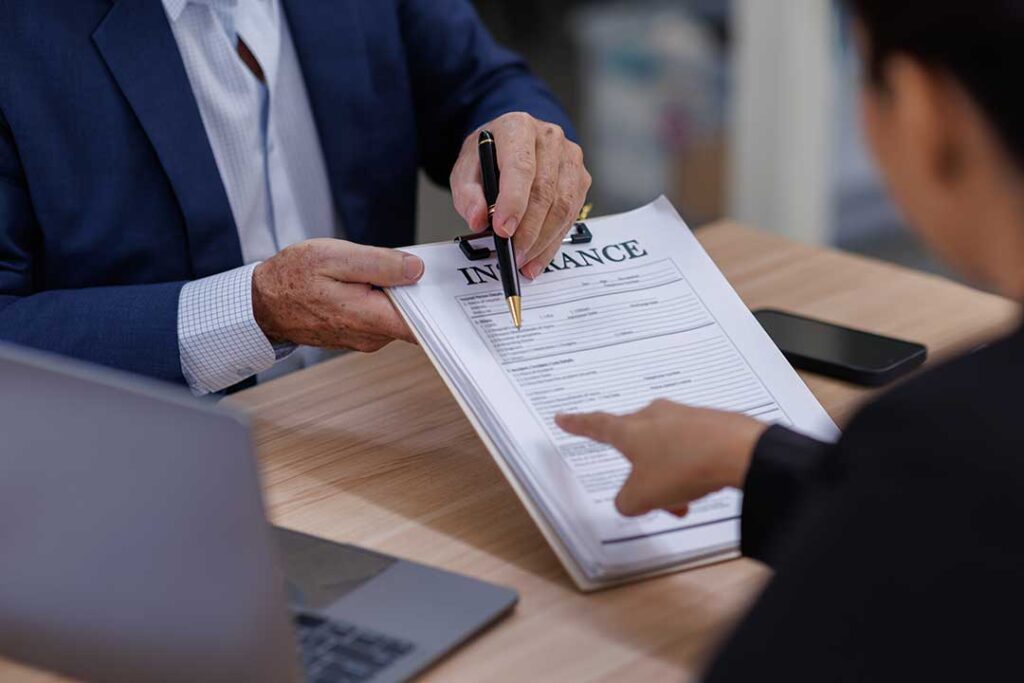
What is Insurance Fraud, and How Does It Affect Athens, TN?
Insurance fraud involves intentionally deceiving an insurer to obtain benefits one is not entitled to. It can range from exaggerating claims to staging accidents, and impacts not just insurance companies, but local policyholders as well. In Athens, TN, fraud influences premiums and can complicate legitimate claims, creating frustration for area households.
Anyone can become a target for insurance scams—whether as a policyholder, accident victim, or through unsolicited contacts. The consequences are real: higher costs for everyone and legal trouble for those unknowingly caught up in schemes.
How Can You Recognize Common Types of Insurance Fraud?
There are a few widespread schemes that local residents are most likely to encounter. Being able to recognize them is the first step toward protection.
- False Claims: Sometimes, a neighbor or acquaintance might suggest “padding” a property or auto claim after a storm or accident.
- Agent Fraud: Fake “agents” might promise low premiums in exchange for upfront cash, then provide worthless paperwork.
- Staged Accidents: A driver might deliberately cause a collision, hoping to claim damages from the unsuspecting victim's insurer.
- Phishing and Impersonation: Scammers may call, email, or visit, claiming to represent your insurer and asking for personal or payment information.
Many scams exploit weather events common in the region, such as hail storms or heavy rain, when legitimate insurance claims are more frequent.
What Are Warning Signs of Fraudulent Insurance Activity?
An honest exchange with an insurer is straightforward, but scams are usually marked by certain red flags. Watch for these indicators around Athens:
- Someone pressures you to sign incomplete forms or leave details blank
- You are told to misrepresent facts or create “evidence” for a claim
- The agent cannot show proof of licensing in Tennessee
- Someone offers a deal that sounds far better than other local options, or requests payment in cash or via untraceable methods
- You get unsolicited offers for insurance after a recent local weather event or traffic accident
It’s worth noting that insurance companies, especially amidst regional storms or heightened claims periods, are particular about documentation—be wary if someone tries to bypass these steps.
How Can You Protect Your Personal Information?
Protecting sensitive information is critical. Insurance scams often start by gathering just enough to defraud either you or the insurer.
- Never give out your Social Security Number, bank details, or policy numbers to unsolicited callers or emails.
- Keep all official correspondence—letters, emails, policy documents—in a secure location.
- When in doubt about a phone call or letter, independently verify the company’s contact details using official state resources.
Residents of Athens have successfully avoided scams by declining to answer questions from unverified callers, instead contacting their insurer via the number on their policy documents.
What Should You Do If You Suspect Insurance Fraud?
If you think you’ve encountered potential fraud, take action right away to protect yourself and area neighbors.
- Write down as many details as you can about the suspicious activity, including names, phone numbers, and what was said.
- Do not engage further with the suspected scammer.
- Report the incident to the Tennessee Department of Commerce & Insurance. The state’s Fraud Investigations Division accepts confidential reports, and your tip could prevent additional harm in the community.
A common misconception is that reporting fraud is only necessary if you lost money. Even a failed scam attempt is worth sharing, as it adds to state investigators’ knowledge of trends in the region.

How Can You Check if an Insurance Agent is Legitimate in Athens, TN?
Before purchasing or renewing any policy, always verify the agent’s credentials.
- Use the Tennessee Department of Commerce & Insurance’s online license lookup tool to confirm agent licenses.
- Be wary of anyone who can’t provide a physical office address or website tied to a reputable Tennessee agency.
- Remember, door-to-door visits for insurance sales are uncommon in the city unless they’re prearranged.
It’s easy for Athens residents to verify credentials online or by phone, saving time and trouble later.
Are There Local Factors That Increase Fraud Risk?
Athens, like many communities in central Tennessee, deals with seasonal storms, fluctuating property values, and a mix of older and newer housing. These conditions provide both more opportunities for legitimate claims and more temptation for those seeking to exploit residents.
Periods following major hail, tornado, or flooding events are when scams tend to rise. Watch for:
- Unfamiliar contractors or “insurance adjusters” who appear in neighborhoods after a storm
- Flyers and emails offering instant appraisal or settlement on damaged vehicles and homes
Area households—especially seniors and those with limited insurance experience—are frequently targeted.
What Should You Do After a Storm, Accident, or Major Loss?
Following a major event, protect yourself from fraud as you recover:
- Only contact your insurer using the policy information you already have, not through numbers or addresses from unsolicited visitors or emails.
- Photograph all damage before making temporary repairs, and keep receipts for any expenses.
- Do not allow anyone except your insurer’s official representative to inspect or appraise your property or vehicle without prior confirmation.
If you’re ever uncertain about a person’s official status, pause the discussion and verify independently. This small step can help protect both your finances and peace of mind.
